
Safe Rider is a non-profit organization dedicated to promoting motorcycle safety through education and community support. Our mission is to reduce motorcycle-related accidents and fatalities by empowering riders with the knowledge and tools they need to ride safely and responsibly.
We achieve this through two primary programs:
- EZ Rider: An educational initiative that provides training on safe speeds, helmet use, group riding practices, and more to ensure riders are well-prepared for the road.
- Rider Rescue: A unique roadside assistance program offering dedicated motorcycle towing services, using specialized vehicles to assist riders in need.
Safe Rider is committed to creating a safer riding experience for everyone. Join us in our mission to support the motorcycle community and make the roads safer for all.
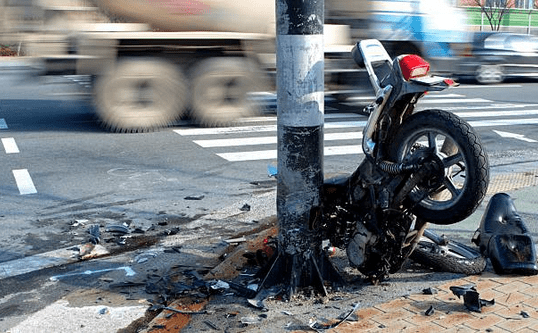
Motorcycle accident statistics for 2024 in the USA reveal concerning trends regarding fatalities and injuries. Here are the key findings:
Overall Statistics
- Total Motorcycle Crashes: Approximately 1,800 motorcycle-related crashes have been reported in 2024.
- Fatalities: There have been 120 fatalities attributed to motorcycle accidents this year, which shows a slight improvement compared to previous years but remains alarmingly high1.
- Injuries: The number of injuries includes 300 suspected serious injuries and 1,000 suspected minor injuries1.
Fatality Trends
- Fatal motorcycle accidents have seen an increase over the years, with 6,340 fatalities recorded in 2022. This marked a significant rise from earlier years and indicates a troubling trend in motorcycle safety.
- The fatality rate for motorcyclists is currently at 65 per 100,000 registered vehicles, while the injury rate stands at 864 per 100,000 registered vehicles.
Demographic Insights
- A significant majority of motorcycle accident fatalities involve males, accounting for about 92% of total deaths in these incidents.
- Alcohol and speeding are notable factors in these accidents, with approximately 37% of drivers involved in fatal motorcycle accidents reported to be speeding, and 33% under the influence of alcohol.
Seasonal and Temporal Patterns
- The summer months, particularly June, July, and August, are identified as the most dangerous times for motorcyclists, with weekends also seeing higher rates of fatal accidents. For instance, August alone accounts for 12% of all fatal motorcycle crashes.
Conclusion
The statistics for motorcycle accidents in 2024 highlight ongoing safety concerns for motorcyclists on American roads. Despite some improvements in fatality numbers compared to previous years, the overall risk remains significant due to factors like demographic trends, seasonal patterns, and risky driving behaviors.

What safety measures are most effective in reducing motorcycle fatalities
Effective safety measures to reduce motorcycle fatalities focus on protective gear, rider education, and road safety practices. Here are the most impactful strategies:
Helmet Use
- Mandatory Helmet Laws: Implementing universal helmet laws significantly decreases fatalities. Helmets are shown to reduce the likelihood of death by approximately 40% and the risk of traumatic brain injury by two-thirds. States that have strengthened helmet laws typically see a decline in motorcyclist death rates1.
- Properly Designed Helmets: Using DOT-approved helmets is crucial, as they can prevent serious brain injuries by 67% and fatal injuries by 29%.
Training and Education
- Rider Education Programs: Participation in motorcycle safety courses, such as those offered by the Motorcycle Safety Foundation, enhances riding skills and awareness, which can significantly lower crash rates. These programs teach essential skills like emergency braking and obstacle avoidance.
- Awareness of Surroundings: Riders should be trained to remain vigilant about their surroundings and anticipate the actions of other drivers. This includes using signals effectively and avoiding blind spots.
Technological Enhancements
- Anti-lock Braking Systems (ABS): Motorcycles equipped with ABS have lower fatal crash involvement rates. This technology helps prevent wheel lock-up during braking, allowing for better control in emergency situations.
- Crash Avoidance Systems: Advanced systems that detect nearby vehicles can alert riders to potential dangers, further enhancing safety on the road1.
Visibility and Defensive Riding
- Increase Visibility: Riders should wear bright clothing and use reflective materials to make themselves more visible to other motorists. Daytime running lights or keeping headlights on during the day can also improve visibility.
- Defensive Riding Techniques: Motorcyclists should adopt defensive riding practices, such as maintaining a safe following distance, being aware of road conditions, and riding at safe speeds to react appropriately to hazards.
Speed Management
- Lower Speed Limits: Advocating for reduced speed limits for all vehicles can help decrease the severity of accidents involving motorcycles. Slower speeds allow for more reaction time and less severe impacts in collisions1.
By combining these strategies—mandatory helmet use, rider education, technological advancements, increased visibility, defensive riding practices, and speed management—motorcycle fatalities can be significantly reduced.
SHARE THIS WITH THE WORLD