
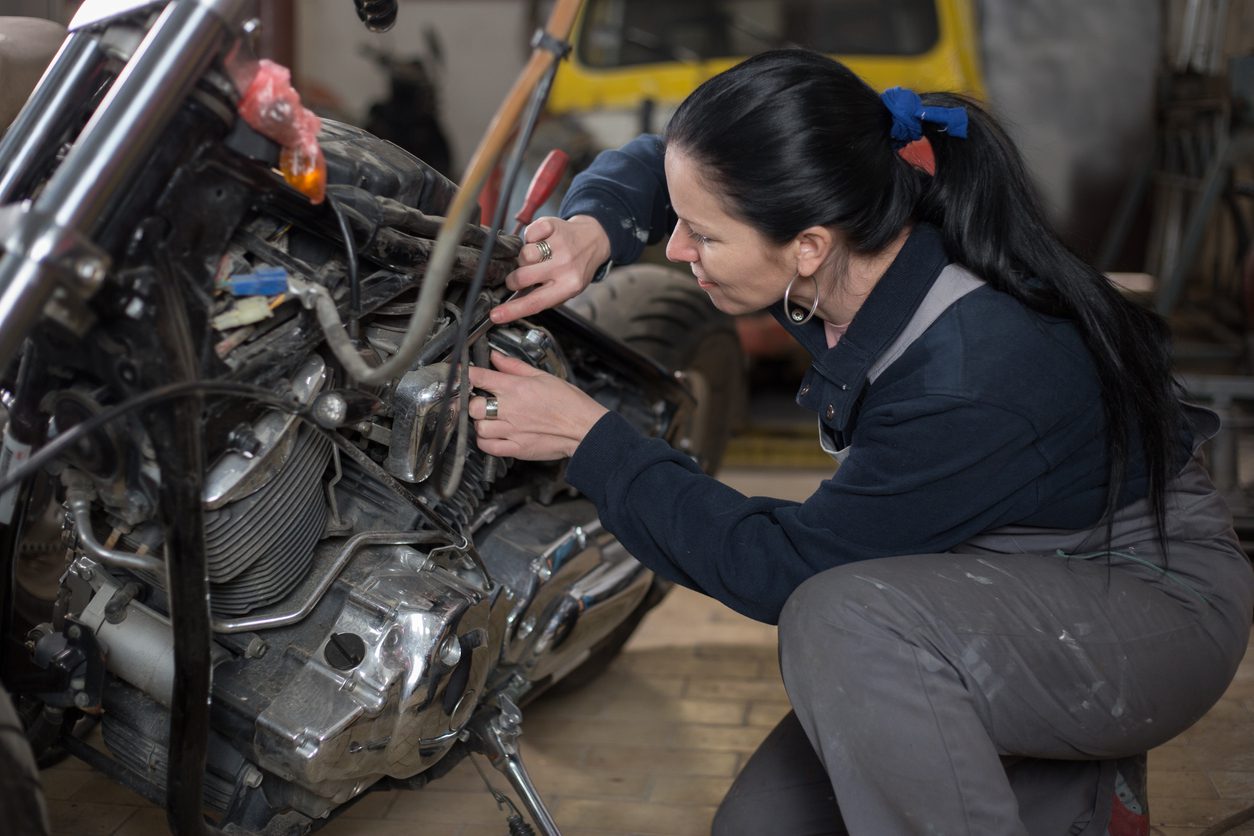
Spring is here, and you’re itching to get back on two wheels! But before you twist the throttle and ride off into the sunset, take a few minutes to make sure your bike is road-ready. Winter storage can lead to low tire pressure, stale fuel, and even unwelcome surprises from critters seeking shelter. Follow this post-winter motorcycle checklist to ensure a safe and smooth start to the riding season.
1. Battery – Is It Alive?
If you left your battery on a trickle charger, you’re probably in good shape. But if it’s been sitting all winter, it might not hold a charge.
- Check the battery voltage (12.6V or higher is ideal).
- Look for corrosion on the terminals and clean if needed.
- If the battery is dead, try charging it. If it won’t hold a charge, it’s time for a replacement.
Scenario: You fire up your bike, and… nothing. Just a sad little click. Don’t let a dead battery ruin your first ride of the season—check it first!
2. Tires – Pressure and Condition
Tires can lose pressure over time, and cold temps may have caused the rubber to stiffen. Before rolling out:
- Check the tire pressure (find the recommended PSI in your owner’s manual).
- Look for flat spots, cracks, or dry rot.
- Inspect tread depth—bald tires = bad news!
Scenario: You’re cruising down the highway when your bike starts to wobble. Turns out, the tires were underinflated from sitting all winter. A quick check could’ve prevented that scary moment!
3. Fluids – Freshen Up
Fluids can break down over time, so give them a once-over:
- Oil & Filter – If you didn’t change the oil before storage, now’s the time.
- Coolant – Make sure it’s topped off and clean.
- Brake Fluid – If it looks dark or murky, flush and replace it.
- Gasoline – If you didn’t add fuel stabilizer before storing, old gas might cause issues. Consider draining and refilling with fresh fuel.
Scenario: You start the bike, and it sputters and stalls. Old gas and clogged fuel injectors could be the culprit. Fresh fuel = happy engine!
4. Brakes – Stop Before You Go
Your brakes might have collected dust, or brake fluid could have absorbed moisture over the winter. Before you ride:
- Squeeze the brake levers—do they feel spongy?
- Check brake pads for wear and replace if needed.
- Inspect the rotors for rust. A little surface rust may wear off, but deep rust is a problem.
Scenario: You’re approaching a stop sign, squeeze the brakes, and… nothing happens! Checking your brakes first can prevent a disaster.
5. Lights and Electrical – Be Seen, Stay Safe
Your lights help you see and be seen—make sure they’re working!
- Check the headlight (high and low beam), brake light, and turn signals.
- Test the horn—sometimes, electrical gremlins show up after a long winter.
Scenario: You’re riding at dusk, but your headlight is out. You didn’t notice until a car pulled out in front of you. Checking your lights beforehand ensures you stay visible.
6. Chain & Belt – Smooth Power Delivery
A rusty or loose chain is a bad way to start the season.
- If you have a chain, clean and lubricate it, and check for proper tension.
- If you have a belt, inspect it for cracks or fraying.
Scenario: You hit the gas, but your bike jerks forward awkwardly. Turns out, your chain was loose! A quick check and adjustment would’ve saved the embarrassment.
7. Nuts, Bolts & Fasteners – Tighten Up!
Vibrations over time can loosen nuts and bolts, leading to unexpected surprises.
- Go over key bolts on the handlebars, foot pegs, brake calipers, and exhaust.
- Make sure everything is snug before you hit the road.
Scenario: You’re riding, and suddenly, your mirror falls off. Not only is it annoying—it’s dangerous! A few minutes with a wrench prevents these mishaps.
8. Gear Check – Dress for the Slide, Not Just the Ride
While not technically part of your bike, your gear is just as important.
- Inspect your helmet for cracks or an expired safety rating.
- Check gloves, jacket, and boots for wear and tear.
- Replace anything that’s no longer protective.
Scenario: You grab your helmet and realize the liner is falling apart. That’s a sign it’s past its prime! Time for a new lid before hitting the road.
Final Thoughts: Take It Slow. Once you’ve checked everything, don’t just blast off at full throttle. Take a short test ride around your neighborhood to make sure the bike feels right. Listen for unusual noises, test the brakes, and get a feel for the throttle response.
Getting your motorcycle road-ready after winter storage doesn’t take long, and it’s worth it for a safe and fun riding season. Do the work now so you can enjoy the road worry-free!
What’s the weirdest thing you’ve found on your bike after winter storage? Share in the comments!
SHARE WITH THE WORLD