
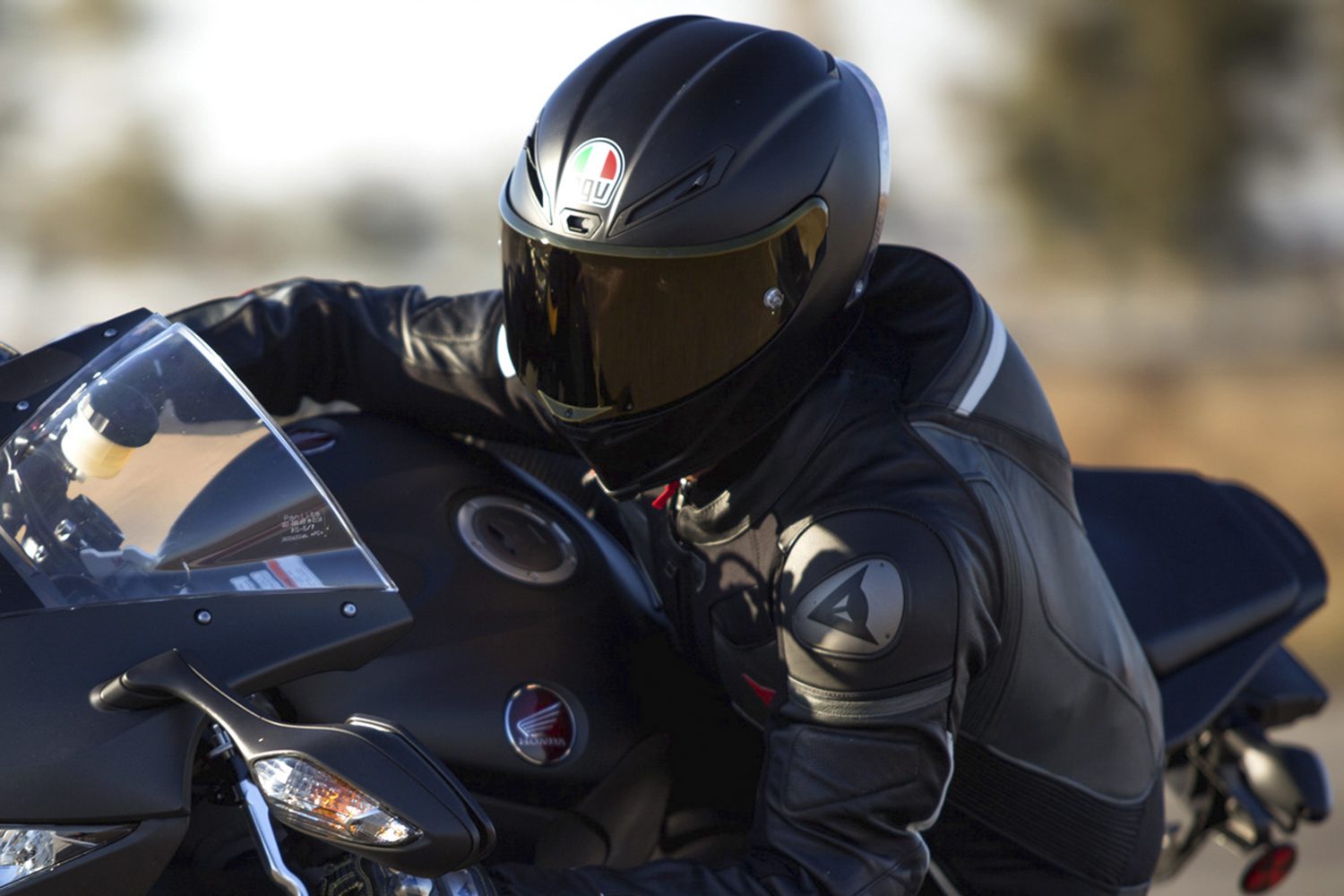
A helmet is the most important piece of protective gear a motorcyclist can wear. It significantly reduces the risk of head injuries and fatalities in the event of an accident. Let’s take a closer look at different styles of helmets, why wearing one is crucial, and how they work to protect you.
Types of Motorcycle Helmets
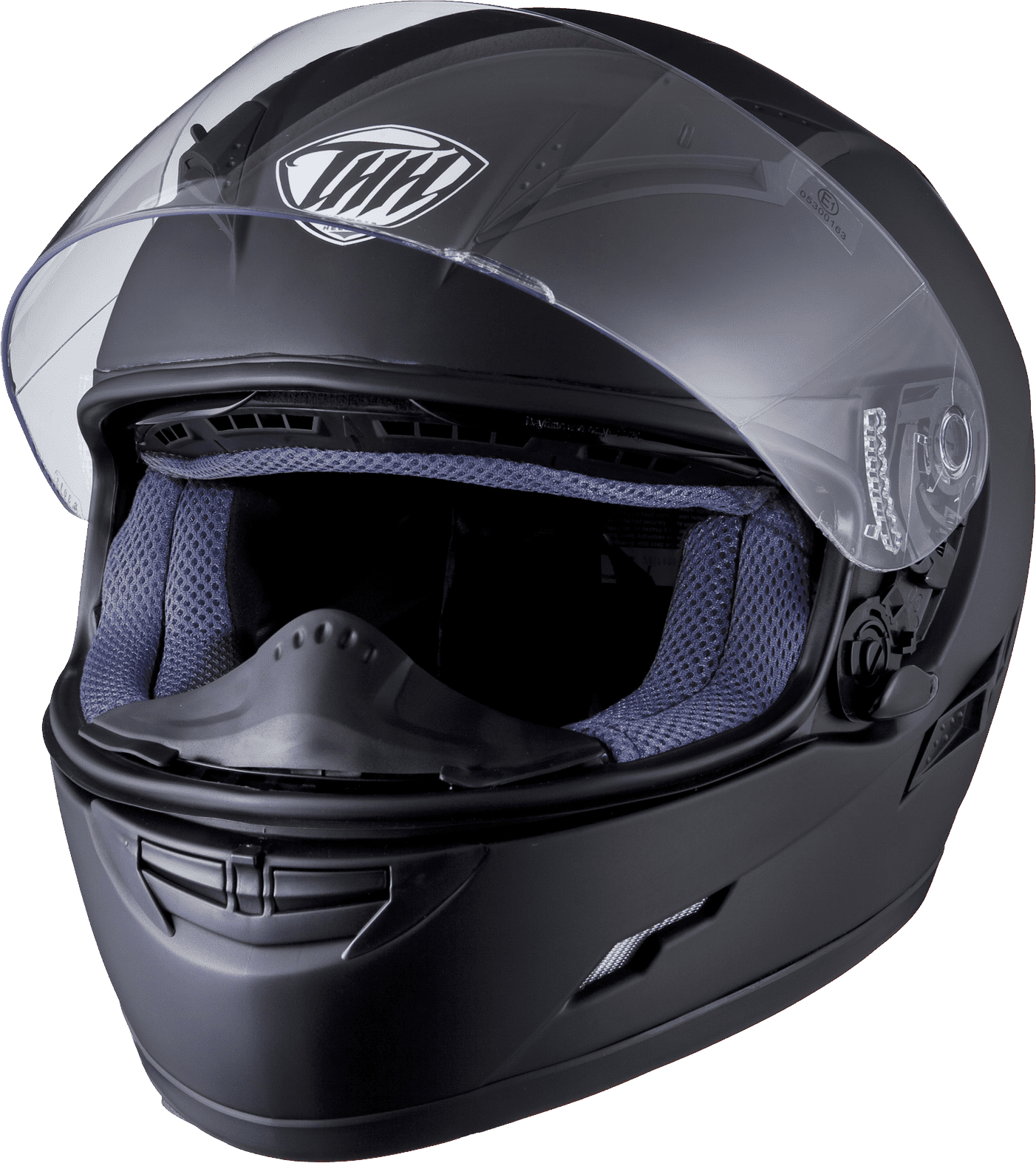
- Full-Face Helmets: Offer the most protection, covering your entire head and face. They provide superior impact protection and shield against wind, debris, and weather.

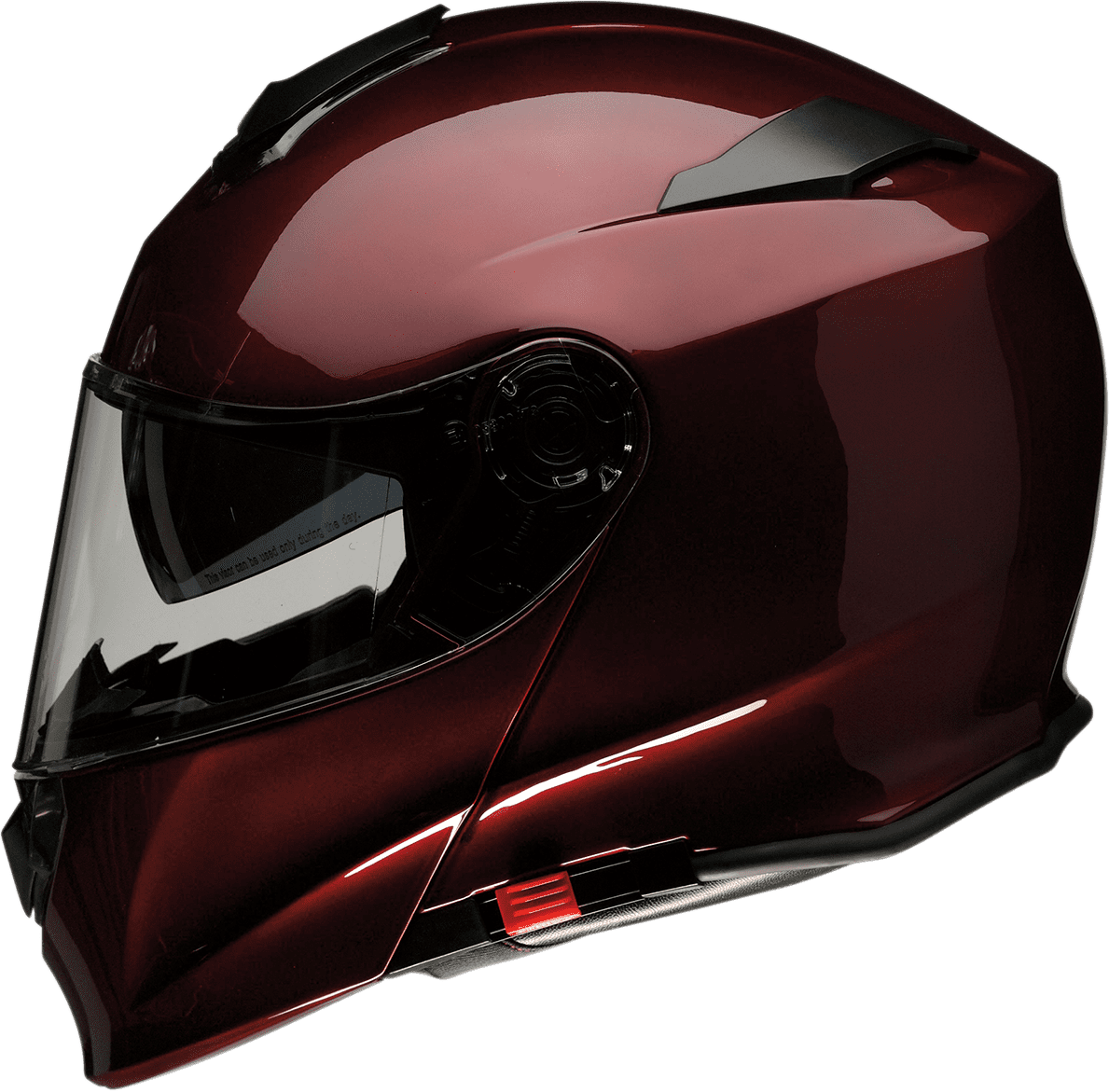
- Modular Helmets: Also called flip-up helmets, these combine the protection of a full-face helmet with the convenience of an open-face option. The front section can be lifted to allow better airflow and easier communication.
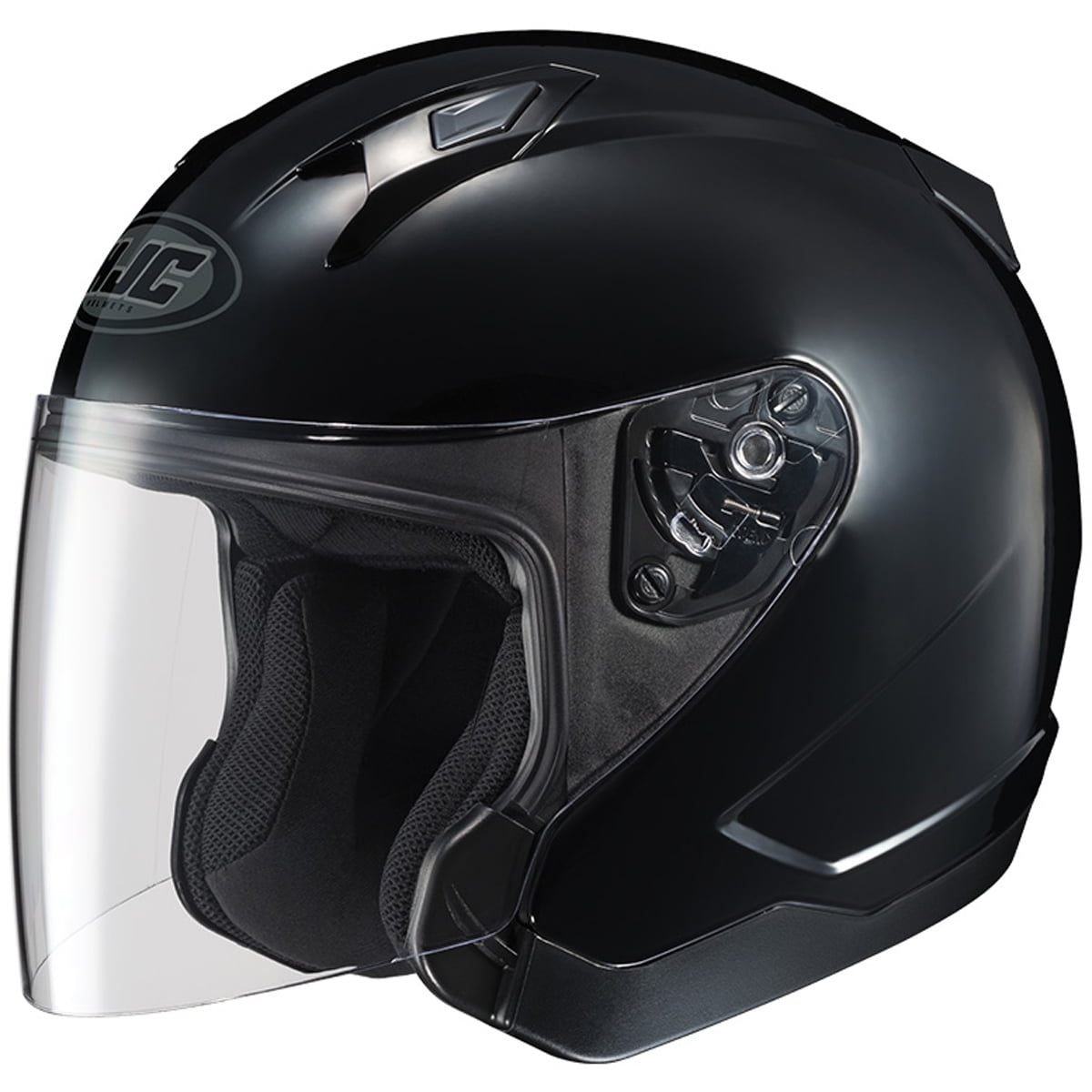
- Open-Face Helmets: Cover the top, sides, and back of the head but leave the face exposed. While they offer more ventilation, they provide less protection in a crash.
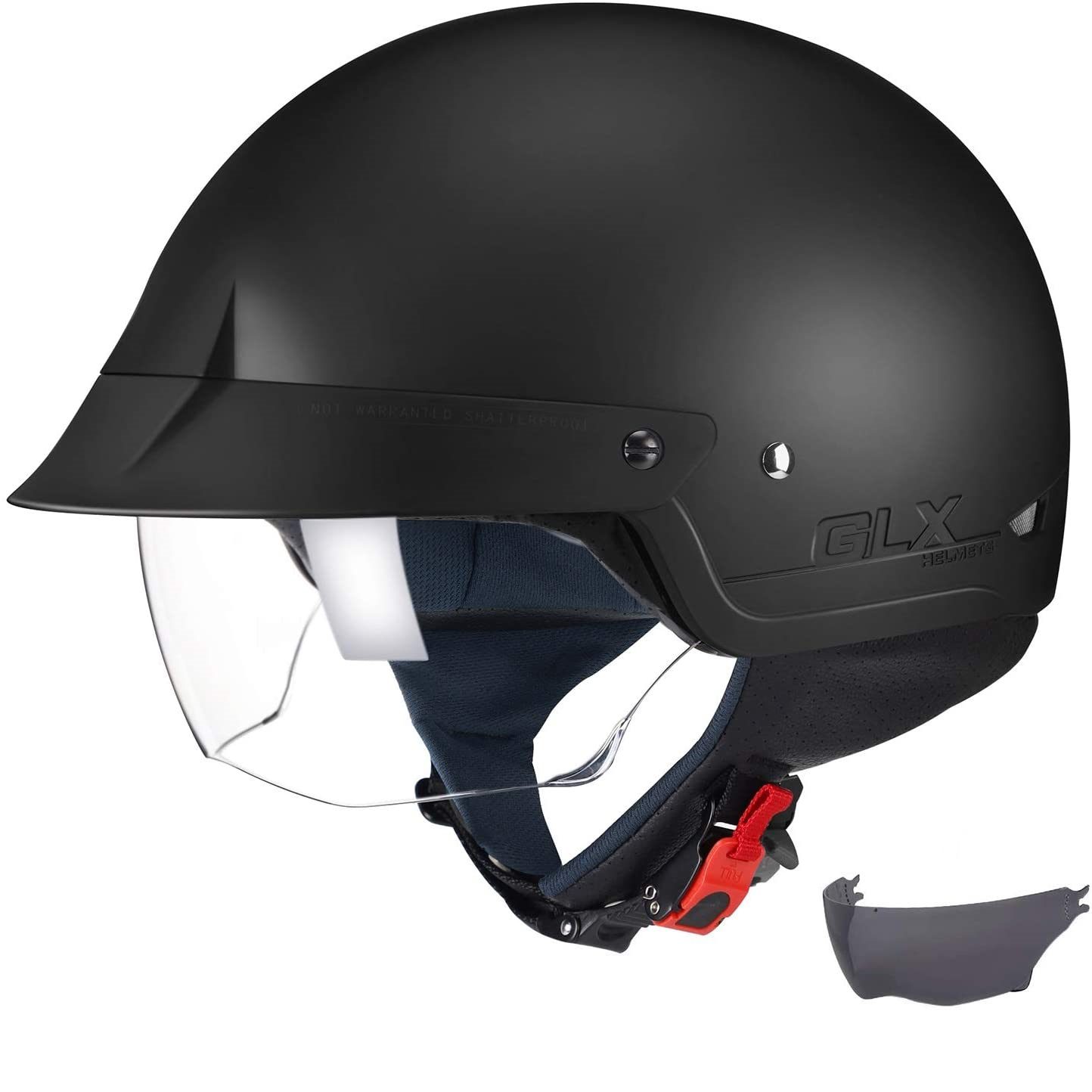
- Half Helmets: Provide minimal coverage, protecting only the top of the head. They are often chosen for their lightweight feel but offer the least protection.
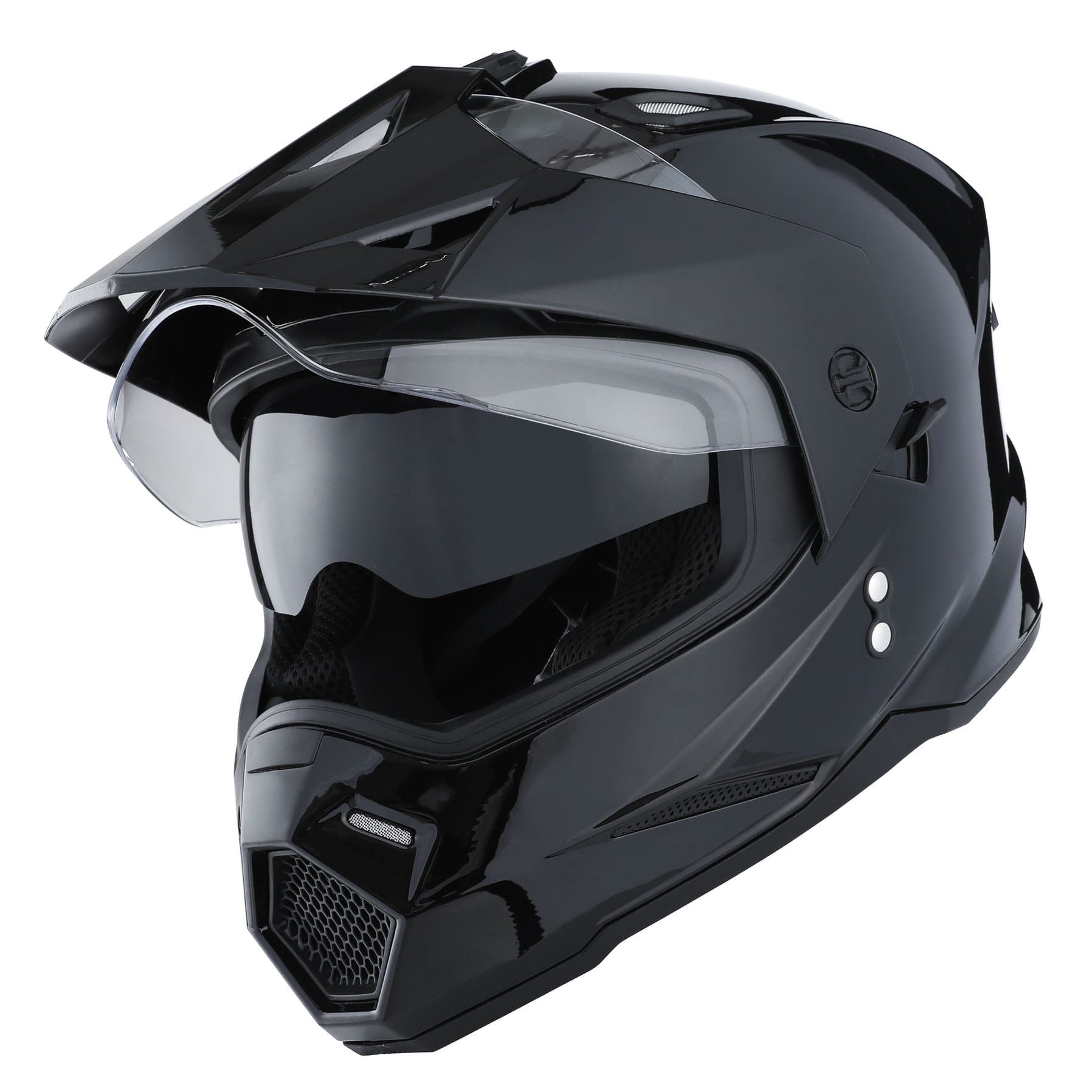
- Dual-Sport Helmets: Designed for both on- and off-road riding, these helmets feature a visor and extended chin bar while maintaining a lightweight design for better ventilation.
Why Wearing a Helmet Matters
- Reduces Head Injuries: According to the National Highway Traffic Safety Administration (NHTSA), helmets reduce the risk of head injuries by 69%.
- Saves Lives: Statistics show that motorcyclists without helmets are three times more likely to suffer fatal head injuries in a crash.
- Protects Against Road Debris: Bugs, rocks, and weather elements can be a major distraction and hazard when riding without a helmet.
- Enhances Visibility: Many helmets come with built-in reflective elements or bright colors to help other drivers see you.
- Reduces Fatigue: Helmets with proper ventilation and sun visors reduce wind noise and strain, making long rides more comfortable.
Helmet Safety Statistics
- 2019 NHTSA Report: Helmets saved an estimated 1,872 lives in 2019 alone.
- State Helmet Laws: Riders in states with universal helmet laws have lower fatality rates compared to those in states with partial or no helmet laws.
- Economic Cost Savings: The CDC estimates that helmet use prevents billions in medical costs and lost productivity every year.
Parts of a Helmet and How They Work
- Outer Shell: Made from fiberglass, carbon fiber, or polycarbonate, the outer shell is designed to absorb impact and prevent penetration.
- Impact-Absorbing Liner: Usually made of expanded polystyrene (EPS) foam, this layer absorbs shock energy from an impact, reducing the force transferred to the rider’s head.
- Comfort Padding: Provides a snug fit, ensuring comfort while helping to keep the helmet securely in place.
- Retention System (Chin Strap): Keeps the helmet on your head during a crash. A helmet is useless if it flies off on impact.
- Face Shield or Visor: Protects against wind, dust, debris, and UV rays while enhancing visibility.
- Ventilation System: Allows airflow to reduce fogging and keep the rider cool on warm days.
Helmet Care and Replacement
- Replace after an impact: Even if there are no visible cracks, internal damage could compromise protection.
- Check for wear and tear: Straps and padding degrade over time, so regular inspections are essential.
- Follow manufacturer guidelines: Most helmets should be replaced every 5 years due to material degradation.
A helmet is more than just a piece of gear—it’s a lifesaver. Investing in a high-quality, well-fitting helmet is one of the best decisions any motorcyclist can make. Ride smart, stay safe, and protect your most valuable asset—your brain.