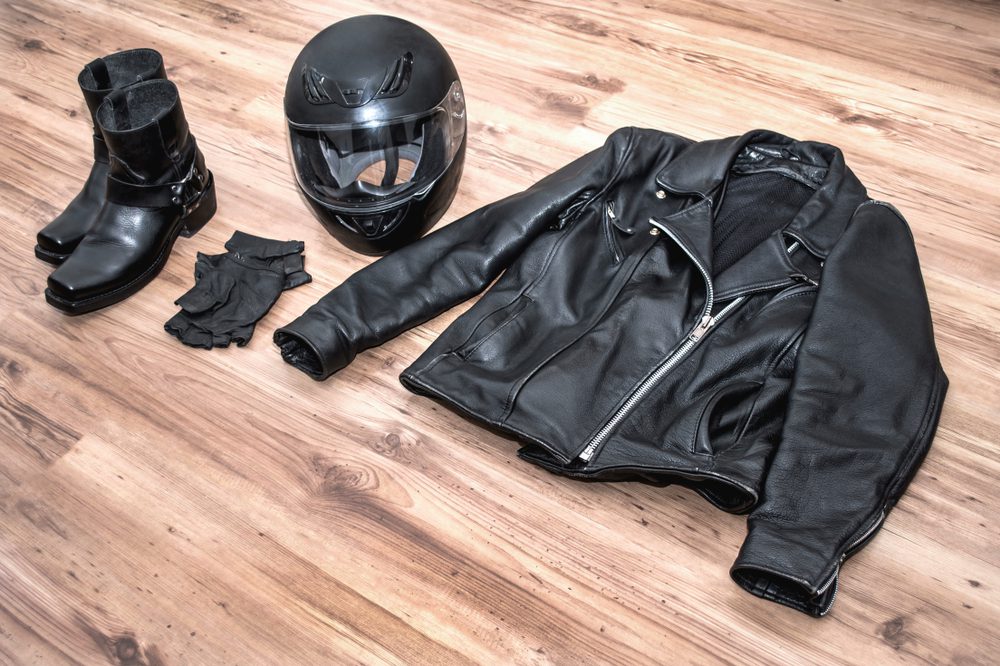
- The “All The Gear, All The Time” (ATGATT) Rider – Fully geared up, looking like a superhero.
- The “I’m Just Running to the Store” Rider – Shorts, flip-flops, and a T-shirt (cringe).
No judgment here—but if you’re part of the second group, let’s talk about why proper motorcycle safety gear isn’t just about looking cool—it’s about staying in one piece when things go sideways.
1. Helmet: The MVP of Safety Gear
A helmet is the single most important piece of protective gear you can wear. It protects your brain—which, as you may have noticed, is quite useful.
Why You Need One
- Reduces risk of head injury by 69% (not just a nice number, it’s science).
- Reduces risk of death by 42% (according to the CDC).
- Shields your face from bugs, wind, and that rock some truck just kicked up.
Choosing the Right Helmet
- Full-Face Helmet: Maximum protection, covers your entire head and face.
- Modular Helmet: Flip-up chin bar—good balance between full-face and open-face.
- Open-Face Helmet: Covers your head but leaves your face exposed (great if you enjoy eating bugs at 70 mph).
- Half Helmet: Minimal protection (popular with cruiser riders, but your skull might disagree).
🏍 Scenario:
You’re cruising at 50 mph when a deer decides to cross the road (because they have no sense of traffic laws). You go down, but your full-face helmet takes the hit instead of your chin and skull. You walk away with a sore body instead of a wired jaw and a concussion.
✅ Pro Tip: Always go for a DOT or Snell-certified helmet—novelty helmets won’t save your brain.
2. Jacket: Not Just for Style
A good motorcycle jacket isn’t just for looking badass—it’s your first line of defense against road rash, impact, and weather.
What to Look For
- Material: Leather or textile (both are good, as long as they’re abrasion-resistant).
- Armor: Look for CE-rated armor in shoulders, elbows, and back.
- Ventilation: So you don’t feel like a rotisserie chicken in the summer.
- Reflectivity: Because drivers have the attention span of a goldfish.
🏍 Scenario:
You skid out on a tight turn, but because you’re wearing a properly armored jacket, you slide across the pavement without your skin peeling off like cheese on a hot pizza.
✅ Pro Tip: Wear a high-visibility vest if riding at night or in bad weather. Looking like a construction worker is better than being invisible.
3. Gloves: Protect Your Hands, Because You’ll Need Them Later
Ever tripped and instinctively put your hands out? Now imagine doing that at highway speeds.
Why You Need Gloves
- Protect your skin, bones, and tendons from pavement.
- Prevent blisters and numbness on long rides.
- Improve grip and control in all weather conditions.
🏍 Scenario:
You get cut off and have to lay the bike down. Your armored gloves take the hit instead of your palms, so you can still type a furious complaint on social media afterward.
✅ Pro Tip: Look for padded knuckles, reinforced palms, and weatherproofing for year-round comfort.
4. Pants: Yes, Your Legs Need Protection Too
Riding in regular jeans? Better than shorts, but still not great. Most denim shreds in less than a second if you hit pavement.
Best Options for Riding Pants
- Kevlar-lined jeans: Look like regular jeans but have added protection.
- Leather pants: Classic, durable, and offer great slide resistance.
- Textile riding pants: Waterproof and breathable, good for touring.
- Armored pants: Built-in knee and hip protection.
🏍 Scenario:
A car sideswipes you, and you hit the pavement. Thanks to your Kevlar jeans with armor, you walk away with a few bruises instead of raw, bloody legs.
✅ Pro Tip: If you insist on wearing jeans, at least get ones reinforced with Kevlar or armor.
5. Boots: Because Your Ankles Weren’t Built for Impact
Flip-flops, sneakers, or work boots don’t belong on a motorcycle. Your feet and ankles need protection from impacts, road debris, and heat from the exhaust.
What to Look For in Motorcycle Boots
- Ankle support: Prevents twisting and hyperextension.
- Reinforced toes and heels: So your foot doesn’t fold like a cheap lawn chair.
- Non-slip soles: Keeps your foot planted on wet pavement.
🏍 Scenario:
You get into a minor crash, and the bike lands on your foot. Because you’re wearing proper riding boots, your ankle is bruised instead of broken.
✅ Pro Tip: Make sure the boots cover your ankles—low-cut shoes won’t do much when your foot meets asphalt.
Final Thoughts: Dress for the Slide, Not Just the Ride
Motorcycle safety gear isn’t about looking cool—it’s about making sure that if you go down, you get back up in one piece.
Quick Recap:
✔️ Helmet: Protects your brain—full-face is best.
✔️ Jacket: Prevents road rash and impact injuries.
✔️ Gloves: Save your hands from becoming ground beef.
✔️ Pants: Kevlar or armored pants = no shredded skin.
✔️ Boots: Protect your feet and ankles from crushing and burns.
Riding without gear is like playing football without pads—it might be fine for a while, but the first hard hit is gonna hurt.
So, suit up, stay safe, and keep the rubber side down!
🔥 What’s your go-to riding gear setup? Let us know in the comments!
SHARE WITH THE WORLD